Finding the best insoles for high arches can make a dramatic difference in your daily comfort, athletic performance, and overall posture. High arches—also known as pes cavus—create unique biomechanical challenges that standard shoe inserts often fail to address. This comprehensive guide explores everything you need to know about choosing the best insoles for high arches, comparing top options, and understanding how they reduce pain and improve alignment.
Understanding High Arches and Why Insoles Matter
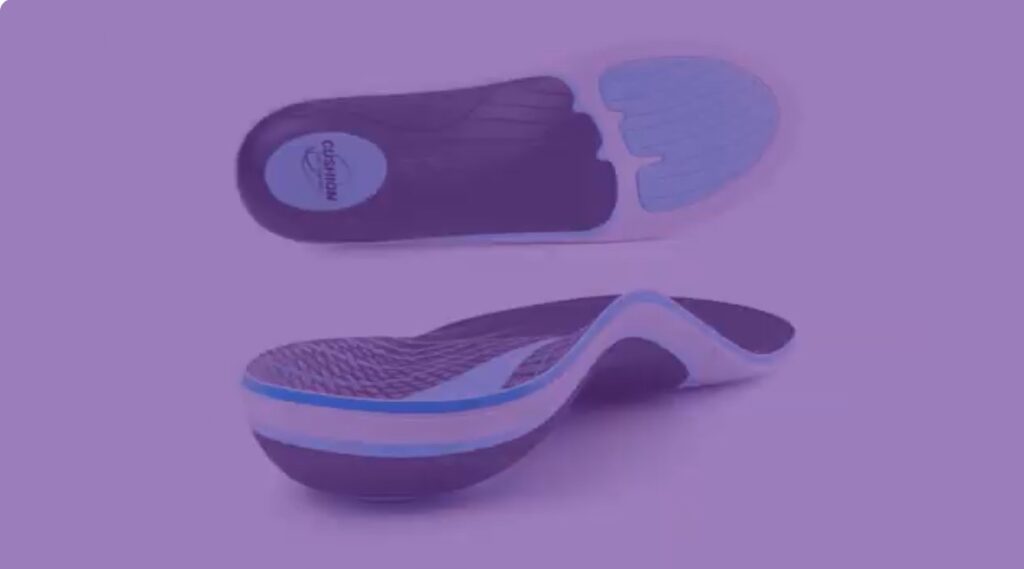
High arches are characterized by an elevated arch that doesn’t flatten much when walking or standing. This reduces natural shock absorption and concentrates pressure on the heel and forefoot.
High arches, or pes cavus, occur when the foot’s arch remains elevated, limiting natural shock absorption during movement. This places excess pressure on the heel and forefoot, often leading to pain, instability, and fatigue. Insoles designed for high arches help distribute weight evenly, improve alignment, and cushion impact. By supporting proper foot mechanics, they reduce discomfort, enhance posture, and prevent long-term strain on joints and muscles.
Without proper support, this can lead to:
Heel pain and plantar fasciitis
Stress fractures
Ankle instability
Knee and lower back discomfort
The best insoles for high arches are specifically designed to compensate for this lack of shock absorption while supporting proper alignment.
Key Features of the Best Insoles for High Arches
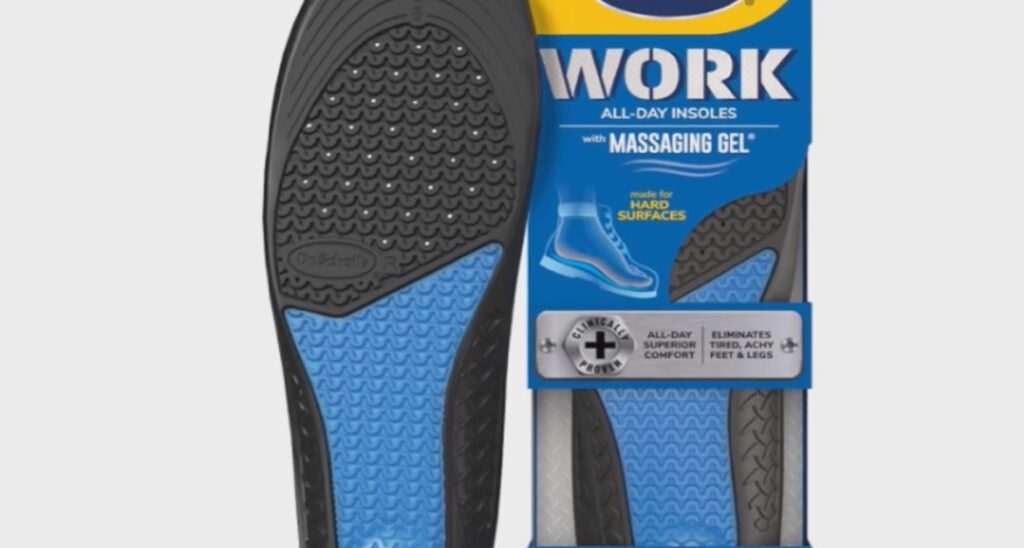
Choosing the best insoles for high arches requires understanding the features that truly matter.
The best insoles for high arches combine adaptive arch support, shock-absorbing cushioning, and a deep heel cup to stabilize foot alignment. High-quality materials like EVA foam or gel reduce pressure on the heel and forefoot, improving comfort during daily and athletic activities. Flexible yet structured designs help distribute weight evenly, while breathable layers enhance moisture control, ensuring long-lasting comfort, better posture, and reduced risk of foot pain or injury.
1. Adaptive Arch Support
Unlike flat-foot insoles, high arch inserts should not be overly rigid. Instead, they should contour naturally to your arch to avoid pressure points.
Adaptive arch support is a key feature in the best insoles for high arches, designed to contour naturally to the foot’s shape rather than forcing it into a rigid position. This dynamic support helps distribute pressure evenly, reduce strain on the heel and forefoot, and improve alignment. By adapting to movement, it enhances comfort, minimizes fatigue, and supports better posture during both athletic activities and everyday wear.
2. Cushioning and Shock Absorption
High arches don’t absorb impact well, so cushioning is essential. Materials like EVA foam, gel, and PORON help reduce stress on joints.
Cushioning and shock absorption are essential when choosing the best insoles for high arches, as they compensate for the foot’s limited natural impact control. High-quality materials like EVA foam, gel, or memory foam help disperse pressure evenly, reducing strain on heels and forefoot. This not only enhances comfort during walking or running but also minimizes joint stress, improves stability, and supports better posture throughout daily activities.
3. Deep Heel Cup
A deep heel cup stabilizes the foot and improves alignment, reducing strain across the kinetic chain.
A deep heel cup is a crucial feature in high-quality insoles, designed to cradle and stabilize the heel. It helps maintain proper foot alignment by keeping the heel centered, reducing excessive movement and strain. This added stability improves balance, minimizes impact during walking or running, and supports the natural biomechanics of the foot, making it especially beneficial for people with high arches or heel pain.
4. Multi-Layer Construction
Dual-layer designs provide both structure and comfort, ensuring durability and long-term support.
Multi-layer construction in high-arch insoles combines different materials to deliver both support and comfort. Typically, a firm base layer stabilizes the foot, while softer upper layers provide cushioning and shock absorption. This design helps distribute pressure evenly, reducing strain on the heel and forefoot. High-quality multi-layer construction also enhances durability, moisture control, and overall performance, making it essential for the best insoles for high arches in both athletic and everyday use.
Top Picks: Best Insoles for High Arches (2026)
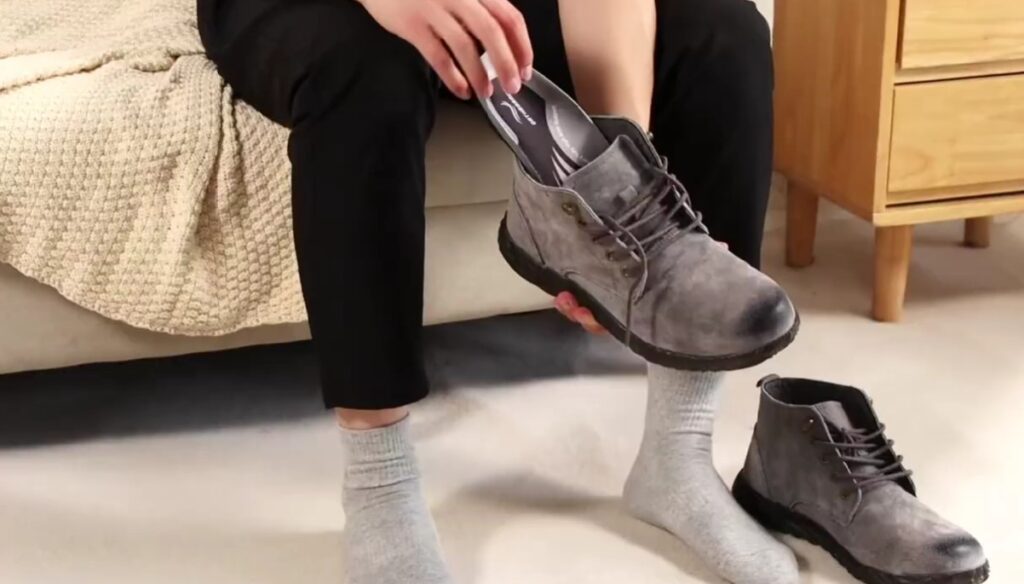
Here are some of the best insoles for high arches based on expert reviews and user feedback.
The best insoles for high arches in 2026 combine advanced cushioning, adaptive arch support, and durable construction to relieve pressure and improve alignment. Top picks include athletic options for running and training, as well as everyday insoles designed for all-day comfort and posture support. These selections stand out for their ability to reduce foot pain, enhance stability, and provide long-lasting comfort for people with high-arched feet.
1. Curex RunPro
Curex RunPro Insoles are performance-focused inserts designed for runners and active individuals, offering dynamic arch support that adapts to different foot types. Their lightweight, low-profile design fits most athletic shoes while maintaining natural movement. Featuring dual-layer cushioning and a decoupled heel, they help absorb impact, reduce fatigue, and improve stability. Ideal for high arches, they enhance comfort, prevent injuries, and support efficient stride mechanics during workouts.
Best for running and athletic use
Adaptive arch technology
Excellent shock absorption
2. PowerStep Pinnacle High
PowerStep Pinnacle High is a podiatrist-designed orthotic insole built specifically for high-arched feet and supination support. It features a semi-rigid arch shell combined with dual-layer cushioning to improve comfort and reduce foot strain during walking or standing. The deep heel cradle enhances stability, while shock-absorbing foam helps relieve pressure on heels and forefoot. It is ideal for everyday shoes, work boots, and athletic footwear, offering balanced support and improved alignment throughout the day.
Structured support for severe high arches
Added cushioning layer
Ideal for plantar fasciitis relief
3. Superfeet Active Cushion High Arch
The Superfeet Active Cushion High Arch is a premium insole designed specifically for people with high arches who need soft yet structured support. It features Adaptive Comfort Technology that flexes naturally with your foot, helping reduce impact during walking, running, or training. With its maximum cushioning and deep heel cup, it improves stability, reduces fatigue, and enhances overall comfort for athletic and everyday footwear use while supporting smooth, efficient movement.
Designed for sports and training
Flexible support that adapts to movement
4. Superfeet Green Insoles
Superfeet Green Insoles are premium orthotic shoe inserts designed for high arch and neutral-foot users who need strong stability and long-lasting support. Known for their signature deep heel cup and structured shape, they help improve foot alignment, reduce fatigue, and enhance comfort during long hours of standing or walking. Built with high-density foam and a stabilizer cap, they provide firm support rather than soft cushioning. Widely used for sports, work, and everyday footwear, they are a trusted choice for reducing foot pain and improving posture.
Professional-grade orthotic support
Popular among podiatrists
Great for running and walking
5. Fulton Custom-Molding Insoles
Fulton Custom-Molding Insoles are premium foot support inserts designed to adapt to the unique shape of your feet over time. Made from sustainable cork and soft cushioning layers, they gradually mold to your arch through regular wear, creating a personalized fit without needing a medical appointment. They help improve alignment, reduce pressure points, and enhance comfort in both casual and athletic shoes. Known for their breathable design and deep heel support, they are popular for easing foot fatigue and improving overall posture.
Cork-based design molds to your foot
Deep heel cup for stability
Excellent for everyday wear
Athletic vs Everyday Insoles: What’s the Difference?
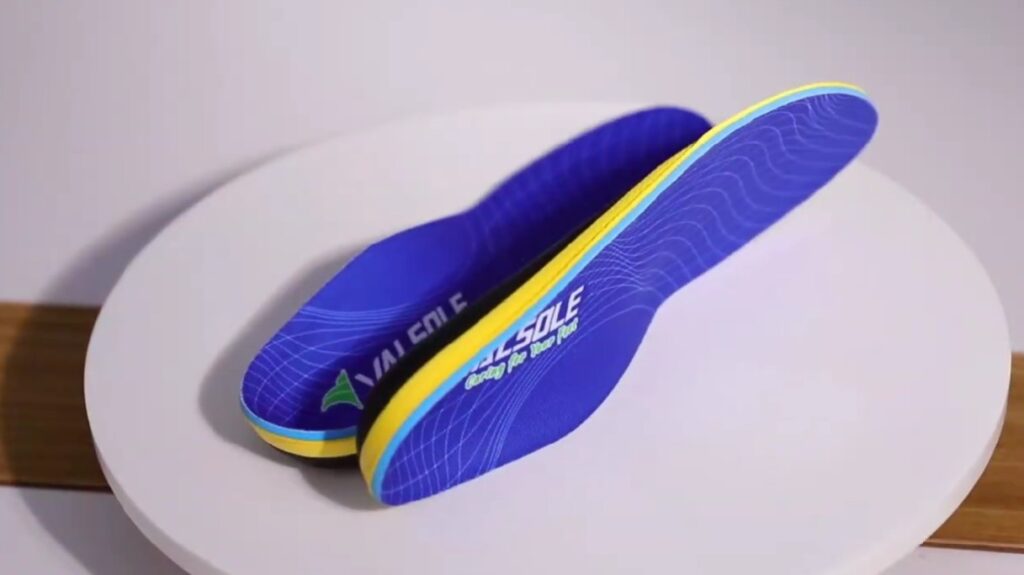
Athletic insoles are designed for high-impact activities, focusing on shock absorption, energy return, and stability during running or sports. They are lightweight and enhance performance. Everyday insoles prioritize all-day comfort, posture support, and pressure relief for walking or standing. They use softer cushioning and durable materials for long wear. Choosing between them depends on lifestyle—sports performance needs athletic support, while daily routines benefit from comfort-focused everyday insoles.
Athletic Insoles
The best insoles for high arches in sports prioritize:
Athletic insoles are specially designed inserts that enhance comfort, support, and performance during physical activities. They help absorb shock, reduce pressure on joints, and improve foot alignment, making them ideal for running, training, and sports. By distributing weight evenly, athletic insoles reduce fatigue and lower the risk of injuries such as shin splints and plantar fasciitis. They also provide better stability, helping athletes maintain balance and efficiency during high-impact movements and workouts.
Shock absorption for high-impact activities
Breathability
Lightweight materials
Examples: Curex RunPro, Superfeet Active Cushion
Everyday Insoles
Daily-use insoles focus on:
Everyday insoles are designed to provide consistent comfort, support, and cushioning for regular daily activities like walking, standing, and commuting. They help reduce foot fatigue, improve posture, and absorb impact from hard surfaces. Made with lightweight materials and moderate arch support, everyday insoles fit easily into most shoes. They are ideal for people who spend long hours on their feet and need reliable, all-day comfort without specialized athletic features.
All-day comfort
Posture correction
Durability
Examples: Fulton, PowerStep Pinnacle
Comparison: High Arch Insoles vs Standard Insoles
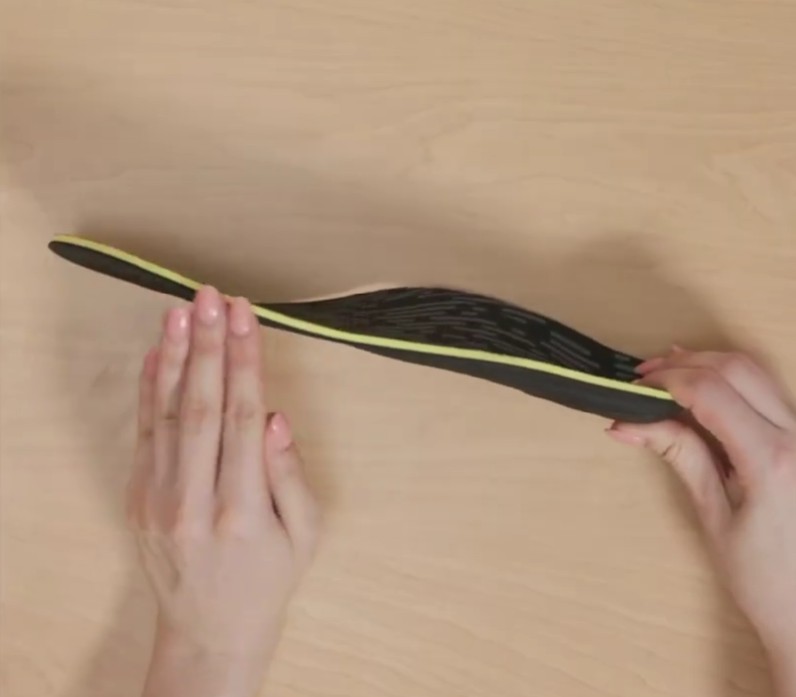
High arch insoles are specifically designed to support elevated arches by providing targeted cushioning, shock absorption, and improved alignment, helping reduce foot, knee, and back pain. Standard insoles offer general comfort but lack specialized structure, often failing to address supination or pressure imbalance. Compared to standard options, high arch insoles deliver better posture correction, stability, and long-term relief, especially for people with active lifestyles or chronic foot discomfort.
| Feature | High Arch Insoles | Standard Insoles |
| Arch Support | Contoured, adaptive | Minimal or generic |
| Cushioning | High | Moderate |
| Shock Absorption | Excellent | Basic |
| Posture Support | Strong | Limited |
| Pain Relief | Targeted | General |
The best insoles for high arches outperform standard insoles by distributing pressure evenly and improving biomechanics.
How Insoles Improve Posture and Reduce Pain
High-quality insoles do more than just cushion your feet—they affect your entire body.
Insoles improve posture and reduce pain by supporting the foot’s natural alignment and distributing pressure evenly across the body. They help correct imbalances caused by high arches or flat feet, reducing strain on the ankles, knees, hips, and lower back. By absorbing shock during movement, insoles minimize joint stress and fatigue. This leads to better stability, improved walking mechanics, and long-term relief from foot and musculoskeletal discomfort.
1. Align the Foot Properly
Proper arch support prevents excessive outward rolling (supination), improving gait.
Proper foot alignment is essential for reducing strain and improving overall body mechanics. When the foot is correctly aligned, weight is distributed evenly across the heel, arch, and forefoot, preventing excessive pressure on any one area. This helps reduce pain in the feet, ankles, knees, and lower back. Proper alignment also enhances balance, posture, and walking efficiency, making daily movement more comfortable and lowering the risk of long-term musculoskeletal issues.
2. Reduce Joint Stress
Cushioning absorbs impact, reducing strain on knees and hips.
Reduce Joint Stress means lowering the impact and pressure placed on your joints during daily movement such as walking, running, or standing. Proper footwear support, cushioning, and alignment help distribute weight evenly across the body. This reduces strain on the ankles, knees, hips, and lower back. Over time, reducing joint stress can prevent pain, improve mobility, and support long-term musculoskeletal health, especially for people with high arches or active lifestyles.
3. Enhance Stability
Heel cups and structured support improve balance and reduce injury risk.
Enhancing stability refers to improving balance, alignment, and control in the body, especially during movement or standing. In footwear, it means reducing unwanted foot motion and supporting proper posture through better weight distribution. Strong stability helps prevent ankle rolling, reduces strain on joints, and improves overall efficiency in walking or running. It also supports better posture by aligning the feet, knees, and hips, leading to greater comfort, reduced fatigue, and improved performance.
Many podiatrists confirm that insoles can significantly reduce pain and improve posture when properly matched to foot type.
Real User Insights (From Reddit)
Community feedback highlights the importance of choosing the right type of insole:
Reddit users frequently highlight that high arches require targeted support rather than generic cushioning. Many share that the best insoles for high arches significantly reduce heel pain, foot fatigue, and knee strain when properly matched to foot type. Users often prefer firm arch support with moderate cushioning for daily use, while athletes emphasize shock absorption. Overall, community feedback stresses trial and adjustment, as comfort varies widely between individuals and activity levels.
“Most insoles are designed for people who pronate… high arches do the opposite.”
“High-quality insoles… can alleviate stress on joints and improve posture.”
These insights reinforce that the best insoles for high arches must address supination, not pronation.
How to Choose the Best Insoles for High Arches
Choosing the best insoles for high arches involves focusing on strong arch support, cushioning, and shock absorption to reduce foot strain. Look for insoles with a deep heel cup for stability and materials like EVA or gel for comfort. Ensure they match your activity level—athletic or everyday use. The best insoles for high arches should improve posture, distribute pressure evenly, and reduce pain in the feet, knees, and lower back effectively.
Step 1: Identify Your Arch Height
Not all high arches are the same—some are moderate, others extreme.
Identifying your arch height is essential for selecting proper footwear and insoles. You can do a simple wet foot test by stepping on paper and observing the imprint shape. High arches show a narrow connection between heel and forefoot, while flat feet show a full imprint. Understanding your arch type helps prevent discomfort, improves posture, and ensures you choose the right support for walking, running, and daily activities.
Step 2: Match Insoles to Activity
Matching insoles to activity means choosing support based on how you move. Athletic use requires high-impact cushioning and stability for running or sports, while everyday use focuses on comfort, posture support, and fatigue reduction for standing or walking. The best insoles for high arches should balance shock absorption with arch contouring to reduce pressure, improve alignment, and maintain comfort throughout different daily or sports activities.
Running → lightweight, shock-absorbing
Work → durable, supportive
Casual → comfort-focused
Step 3: Check Shoe Compatibility
Ensure your shoes have removable insoles and enough space.
Checking shoe compatibility is essential when choosing the best insoles for high arches. Not all shoes have enough depth or removable liners to properly fit supportive inserts. Always ensure your footwear has adequate space to avoid tightness or discomfort. The best insoles for high arches work only when paired with the right shoe structure, allowing proper arch support, heel alignment, and cushioning. Proper compatibility enhances comfort, stability, and long-term foot health effectively.
Maintenance Tips for Longevity
To get the most from your best insoles for high arches:
Replace every 6–12 months
Keep them dry and clean
Rotate between pairs if used daily
Investing in the best insoles for high arches is one of the simplest ways to improve comfort, posture, and long-term foot health. Whether you need athletic performance support or everyday cushioning, the right insole can transform how you move and feel.
From adaptive designs like Curex RunPro to custom-molding options like Fulton, today’s insoles are more advanced than ever—offering tailored solutions for every lifestyle.
If you experience persistent pain, consider consulting a podiatrist for personalized recommendations. But for most people, choosing the best insoles for high arches from trusted brands can provide immediate and lasting relief.